Flexible packaging manufacturers are under constant pressure to increase output without sacrificing quality. Rising material costs, production interruptions, adhesive consumption, and waste can all reduce profitability, even when a laminating line has a high rated speed.
A solventless laminating machine can help manufacturers reconsider how they organize the lamination process. However, real productivity gains depend on equipment configuration, adhesive selection, operator practices, and the types of products being manufactured.
SINSTAR recommends evaluating solventless technology through measurable production results rather than assuming that a new machine will automatically lower costs.
1. Understand the Potential Process Advantages
Traditional solvent-based lamination typically requires a drying stage to remove solvents from the adhesive before bonding. This creates additional requirements for drying capacity, ventilation, and solvent management.
Solventless lamination uses adhesive systems designed to operate without a conventional solvent-removal drying stage. This can reduce certain energy demands and simplify parts of the production process.
Nevertheless, solventless technology still requires accurate adhesive metering, stable web handling, suitable bonding conditions, and appropriate curing time. The adhesive must also match the substrate structure and end-use requirements.
Manufacturers should compare complete process requirements before deciding which technology is appropriate for a particular product.
2. Reduce Material Waste During Setup
Startup waste can have a significant effect on short production runs. Every roll change or product transition may require operators to stabilize web alignment, verify coating conditions, and confirm that the laminate meets quality requirements.
Track the quantity of material consumed before production reaches an acceptable state. Record how long each setup takes and identify the most common causes of adjustment.
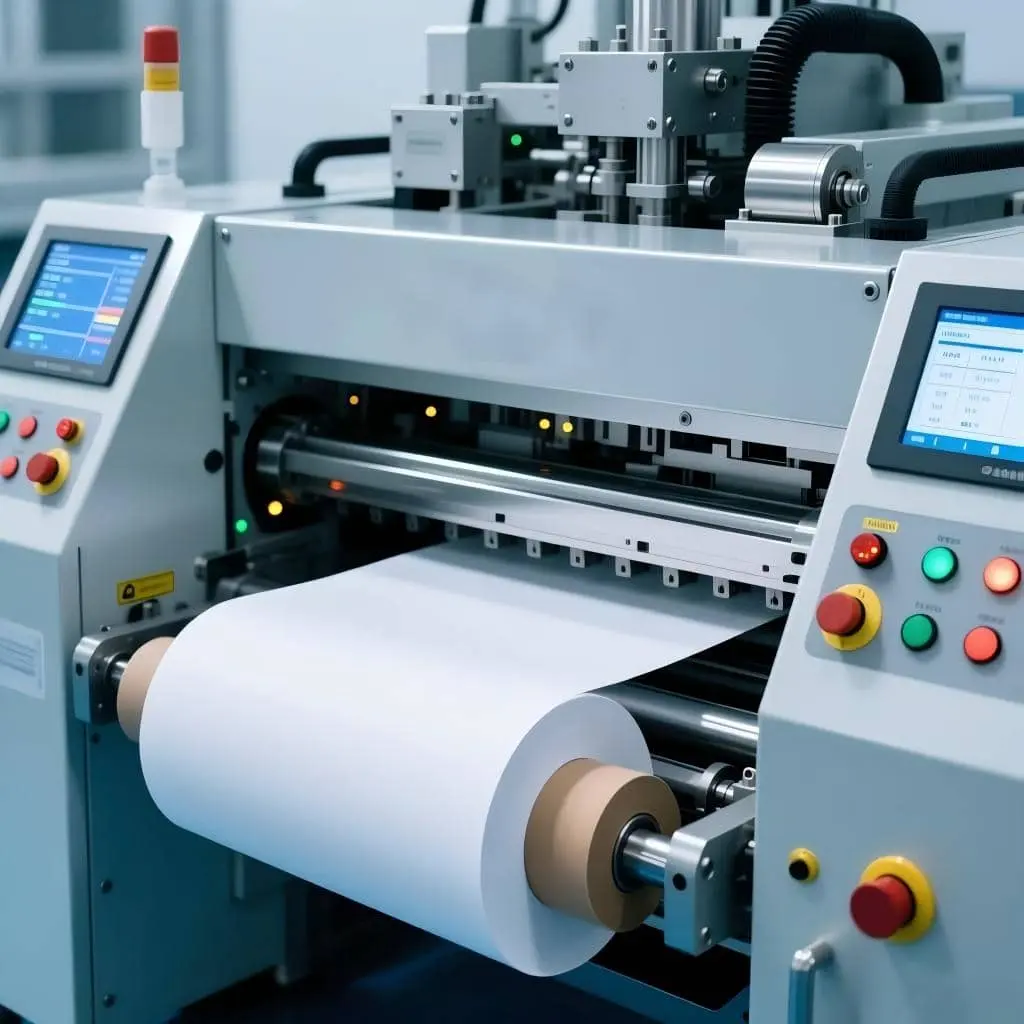
A Sinstar standard universal solventless laminator is one option to assess when comparing general-purpose solventless production requirements. Buyers should evaluate its actual configuration, supported materials, and changeover procedures against their own workflow.
The goal is to reduce unnecessary adjustments while maintaining product quality. Faster startup is useful only when the resulting laminate consistently meets specification.
3. Match Automation to Production Needs
Automation can support repeatable process settings and reduce reliance on manual adjustments. Depending on the configuration, useful functions may include controlled adhesive application, tension management, monitoring, and coordinated machine operation.
The Suplock high-end solventless laminator is a relevant reference for manufacturers evaluating higher-performance solventless production equipment and advanced control capabilities.
Before investing in additional automation, determine which production problems need to be solved. A high-volume plant may benefit from reduced interruptions during long runs, while a converter handling many small orders may gain more from simplified changeovers and efficient cleaning.
Automation should address an identified operational need rather than add complexity without a measurable return.
4. Manage Adhesive Consumption and Curing
Adhesive consumption affects both material costs and finished-product performance. Applying too little adhesive can cause bonding problems, while excessive application may increase cost and influence laminate properties.
Establish suitable coating conditions for each material structure. Check the adhesive manufacturer's recommendations and verify bond strength after the specified curing period.
Do not assume that every laminate can be released immediately after production. Curing requirements depend on the adhesive system and application. Production planning must account for any necessary waiting period before slitting, converting, or final inspection.
For development work, the Mini 500 solventless laminating lab equipment can provide a reference for small-scale process trials. Testing coating conditions before a full production run can help identify promising settings, although industrial validation remains necessary.
5. Measure Overall Equipment Effectiveness
Machine speed alone is not a reliable measure of productivity. Manufacturers should also monitor downtime, rejected material, changeover duration, and the proportion of output that meets quality requirements.
Review these measurements over representative production periods. Compare similar products and order sizes to avoid misleading conclusions.
For example, a process that runs more slowly but produces less waste may deliver better usable output than a faster process with frequent defects. The relevant objective is consistent, saleable production—not simply the highest instantaneous speed.
Maintenance, operator training, and timely replacement of worn components also contribute to long-term performance.
Conclusion
Solventless lamination can support efficient flexible packaging production when the adhesive system, machine configuration, and workflow are properly matched.
SINSTAR recommends measuring setup time, adhesive consumption, downtime, and finished-product quality before judging the value of an equipment investment. These results provide a practical basis for improving productivity and controlling operating costs.